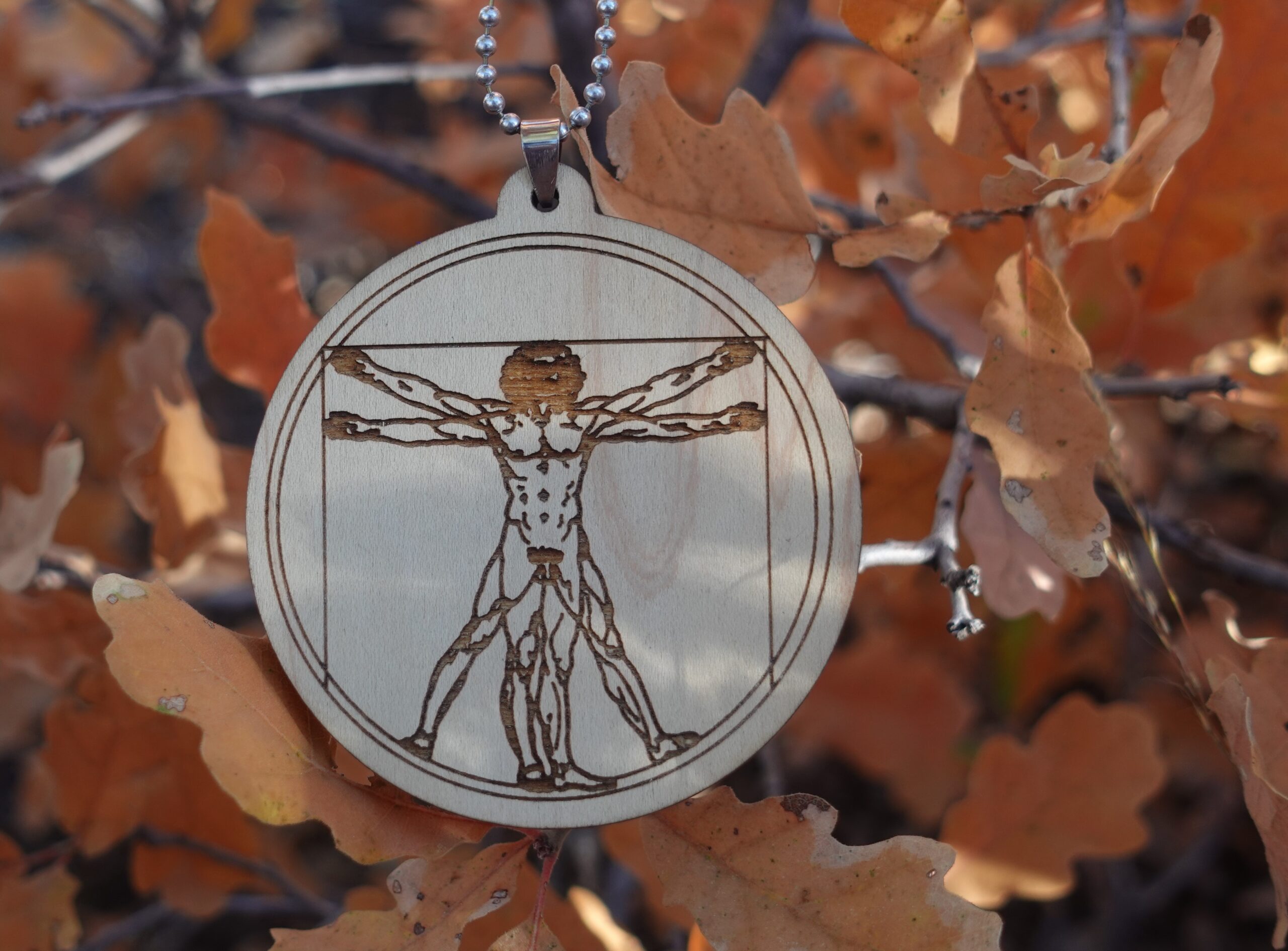
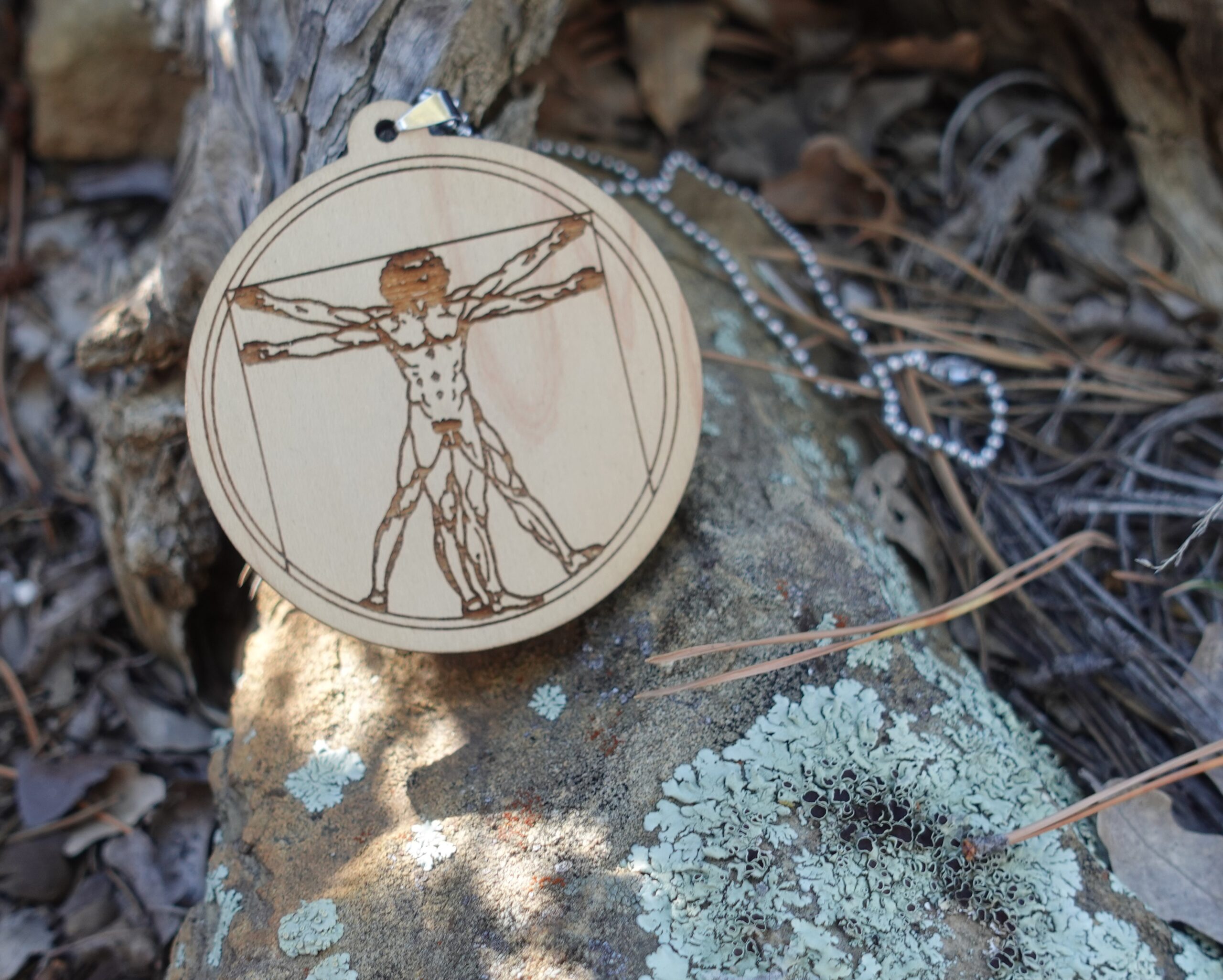
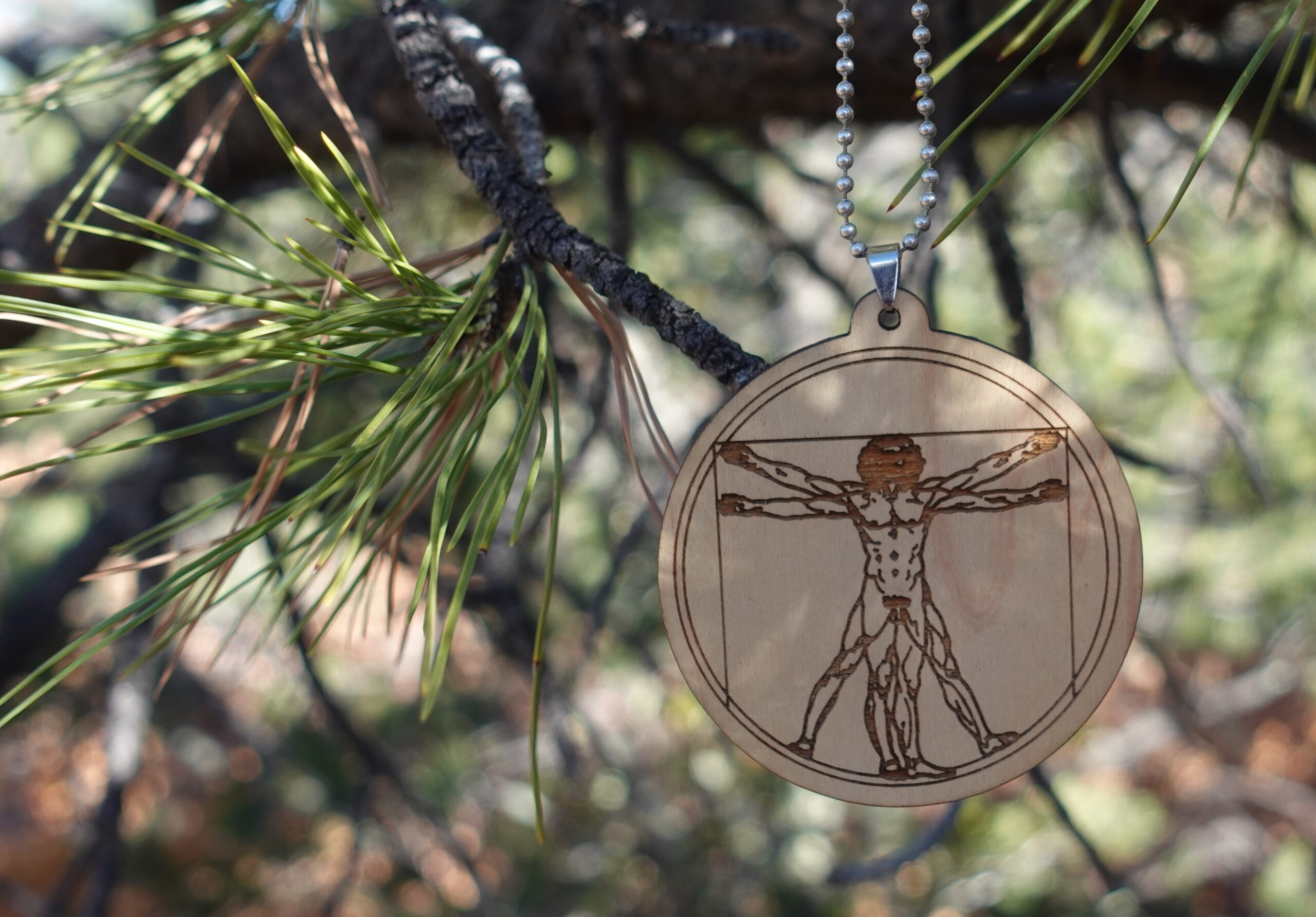
Leonardo da Vinci’s Vitruvian Man | Wooden Art Creation & Decorative Display Piece | No Refunds | AircreteHarry.com
$25.00


$25.00
If you require international shipping, please email your shipping address to Aircreteharry@gmail.com
Once we obtain a shipping quote, a team member will confirm your details and provide a custom listing link to complete your purchase. For Alaska and Hawaii shipping rates – please email us prior to placing your order as the shipping rates may be slightly different.
Once your order is confirmed, you will receive a follow-up email to verify your shipping address. Please check your spam folder to ensure you do not miss our correspondence.
•
Your custom order includes:
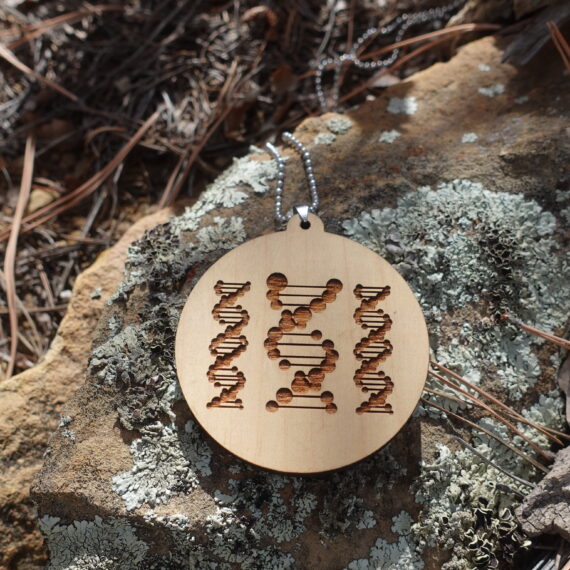
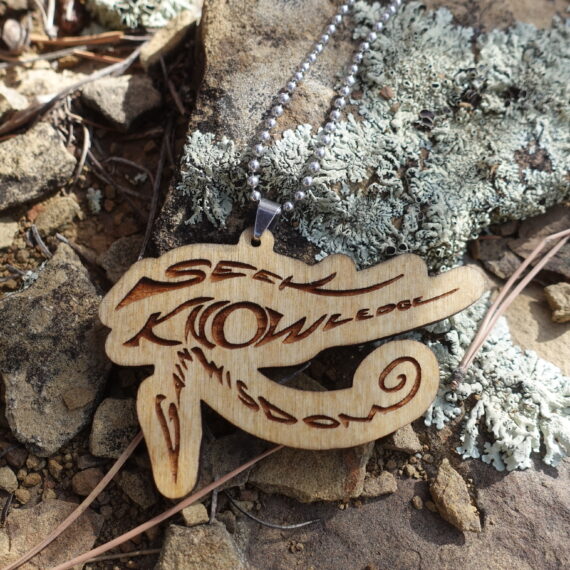
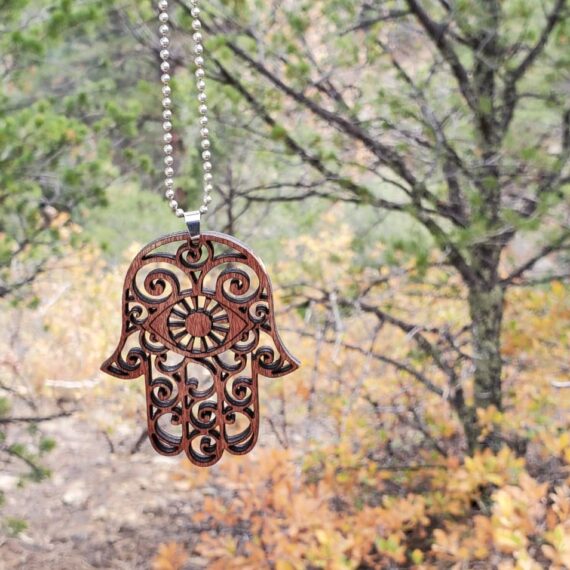
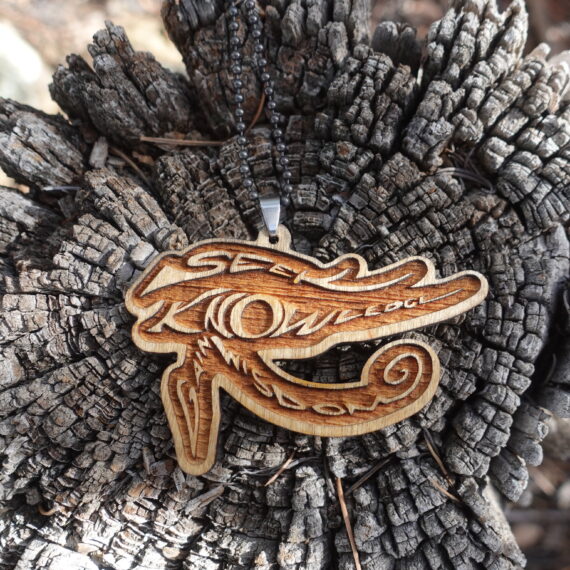
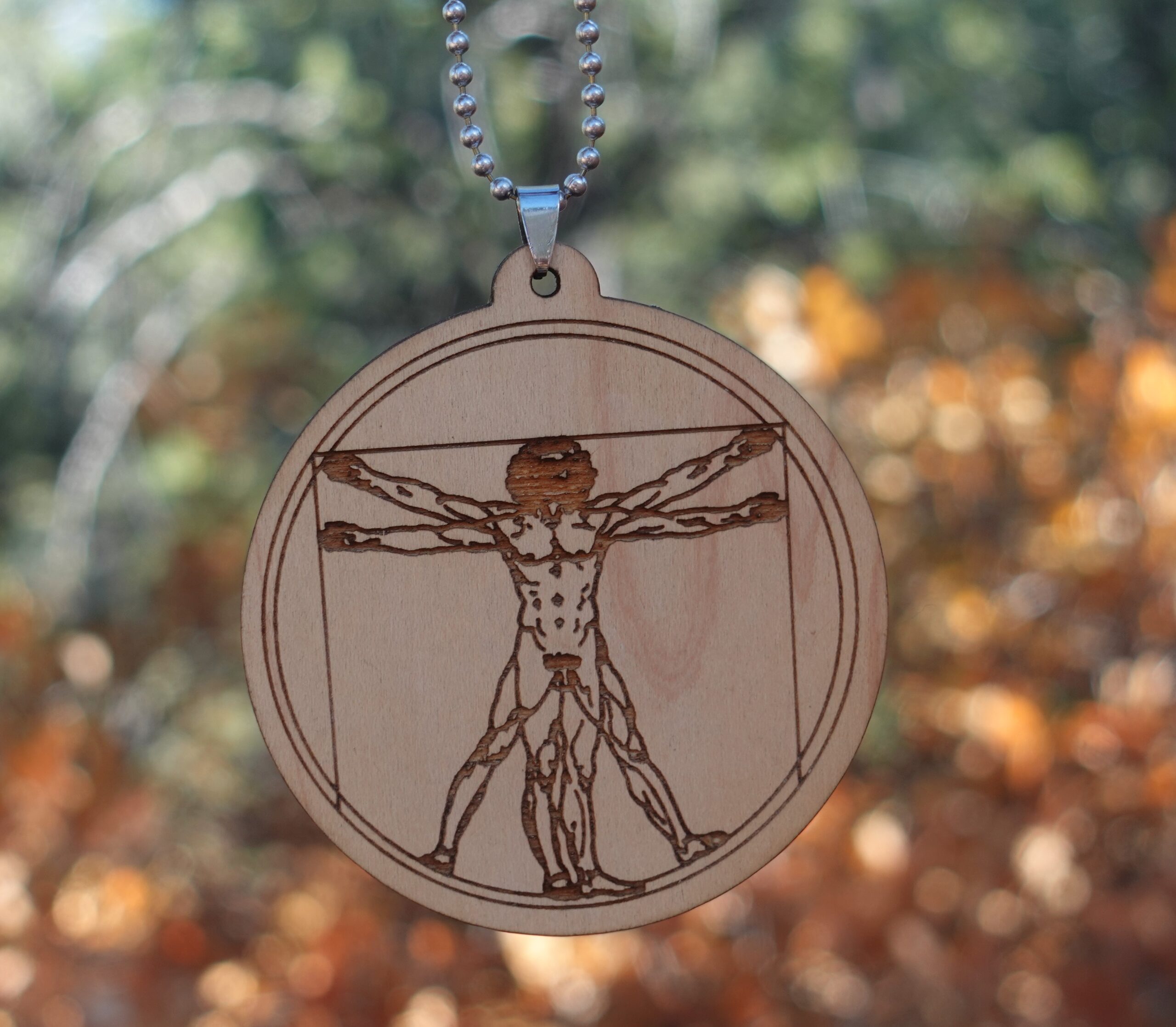
The Leonardo da Vinci Vitruvian Man – Wooden Art Piece, designed and created by Aircrete-Harry
•
Description:
– Material: Birch Plywood
– Pendant Size: 2.75 inches in diameter (1 piece)
– Chain Size: 30 inches
•
This Tree of Life creation can be worn as a pendant necklace or used as a piece of décor.
Whether you use this piece as a pendant or as décor for a wall, window, door, or closet, we hope you enjoy it!
For any future custom orders or designs, please contact Aircreteharry@gmail.com
•
|
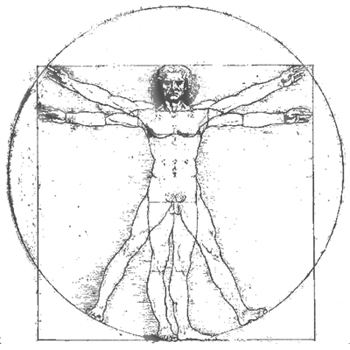
“Leonardo’s famous drawings of the Vitruvian proportions of a man’s body first standing inscribed in a square and then with feet and arms outspread inscribed in a circle provides an excellent early example of the way in which his studies of proportion fuse artistic and scientific objectives. It is Leonardo, not Vitruvius, who points out that ‘If you open the legs so as to reduce the stature by one-fourteenth and open and raise your arms so that your middle fingers touch the line through the top of the head, know that the center of the extremities of the outspread limbs will be the umbilicus, and the space between the legs will make and equilateral triangle’ (Accademia, Venice). Here he provides one of his simplest illustrations of a shifting ‘center of magnitude’ without a corresponding change of ‘center of normal gravity’. This remains passing through the central line from the pit of the throat through the umbilicus and pubis between the legs. Leonardo repeatedly distinguishes these two different ‘centers’ of a body, i.e., the centers of ‘magnitude’ and ‘gravity (Keele 252).”
•
This image provides the perfect example of Leonardo’s keen interest in proportion. In addition, this picture represents a cornerstone of Leonardo’s attempts to relate man to nature. Encyclopedia Britannica online states, “Leonardo envisaged the great picture chart of the human body he had produced through his anatomical drawings and Vitruvian Man as a cosmografia del minor mondo (cosmography of the microcosm). He believed the workings of the human body to be an analogy for the workings of the Universe.”
•
Well, part of the mathematical allure is the fact that you see it all around you in nature, and that is nowhere as true as in the case of the special number: 1.1618, better known as the Golden Proportion.

•
Every natural pattern is composed regarding this ratio, from the ratio of the radii of successive spirals on a shell to the way our auditory canal is aligned.
•
Yes, even our hearing is based on this proportion!
Aside from nature, you will find this symbol in the art (Leonardo da Vinci’s Vitruvian Man) as well as architecture (the positioning of the Great Pyramids of Giza).
Therefore, they are based on a powerful, mathematical concept that is tightly linked to our world.
•
The Vitruvian Man was created by Leonardo da Vinci around the year 1487. It is accompanied by notes based on the work of the famed architect, Vitruvius Pollio. The drawing, which is in pen and ink on paper, depicts a male figure in two superimposed positions with his arms and legs apart and simultaneously inscribed in a circle and square. The drawing and text are sometimes called the Canon of Proportions or, less often, Proportions of Man. It is stored in the Gallerie dell’Accademia in Venice, Italy, and, like most works on paper, is displayed only occasionally.
•
The proportional relationship of the parts reflects the universal design. And a “medical” equilibrium of elements ensures a stable structure. These qualities are thus shared equally by God’s creation of the human body and the human being’s own production of a good building. In the late 1480s, this theme of the artistic microcosm emerged as one of the great unifying principles of his thought. This architectural application is not the end of the matter, however; it only represents the beginning of a concept which had a literally universal application.
•
This image provides a perfect example of Leonardo’s keen interest in proportion. In addition, this picture represents a cornerstone of Leonardo’s attempts to relate man to nature. Encyclopaedia Britannica online states, “Leonardo envisaged the great picture chart of the human body he had produced through his anatomical drawings and Vitruvian Man as a cosmografia del minor mondo (cosmography of the microcosm). He believed the workings of the human body to be an analogy for the workings of the universe.”
•
Leonardo da Vinci’s drawing of Vitruvian Man is one of the most popular world icons. There have been countless attempts over the years to understand the composition of Leonardo’s illustration of Vitruvius’ principles.
•
•
• Patreon: Support Aircrete Harry on Patreon
___________________________________________________
•
•
Thank you for being our Valued Customer – and continue being your Best Self!
•
Sincerely,
Team Aircrete-Harry
•
| Weight | 1 lbs |
|---|---|
| Dimensions | 5 × 5 × 4 in |